High-efficiency solutions for biogas, biomass, biomethane and gas treatment applications.
Biogas holds one of the greatest development potentials among various renewable energy sources. The UN report on renewable energy lists biomass, biomethane and cogeneration as key technologies required to combat climate change.
Biogas is a doubly important and compelling energy source. First, it addresses the country's energy needs. Second, it is a renewable energy source that does not release new CO₂ into the atmosphere.
How does it work? Anaerobic digestion takes place in airtight fermentation tanks ("digesters") with the help of bacteria. The primary outputs are methane (energy-rich) and "green CO₂" as a substitute for fossil CO₂. Digestate can be used as fertiliser, forming a closed-loop system.
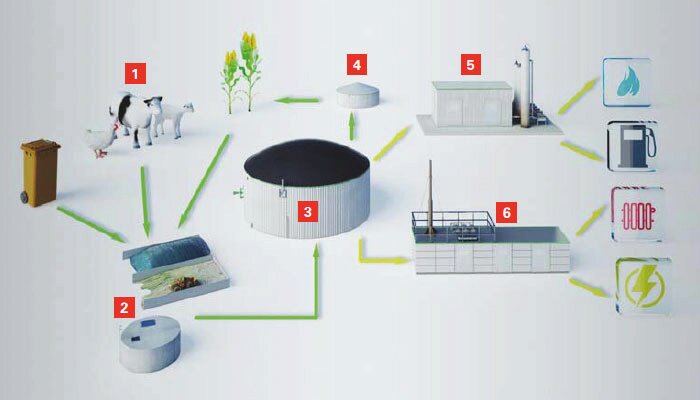
Until now, biogas technology has mainly focused on the fermentation of agricultural waste. Recently, the dry fermentation process allows methane production from organic matter with high dry-waste content without any conversion and without the use of liquid, depending on the type of waste produced.
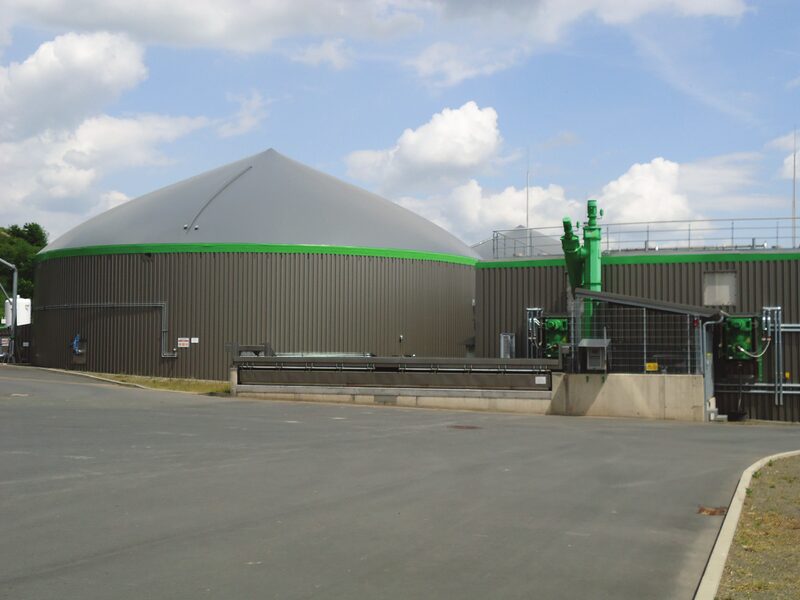
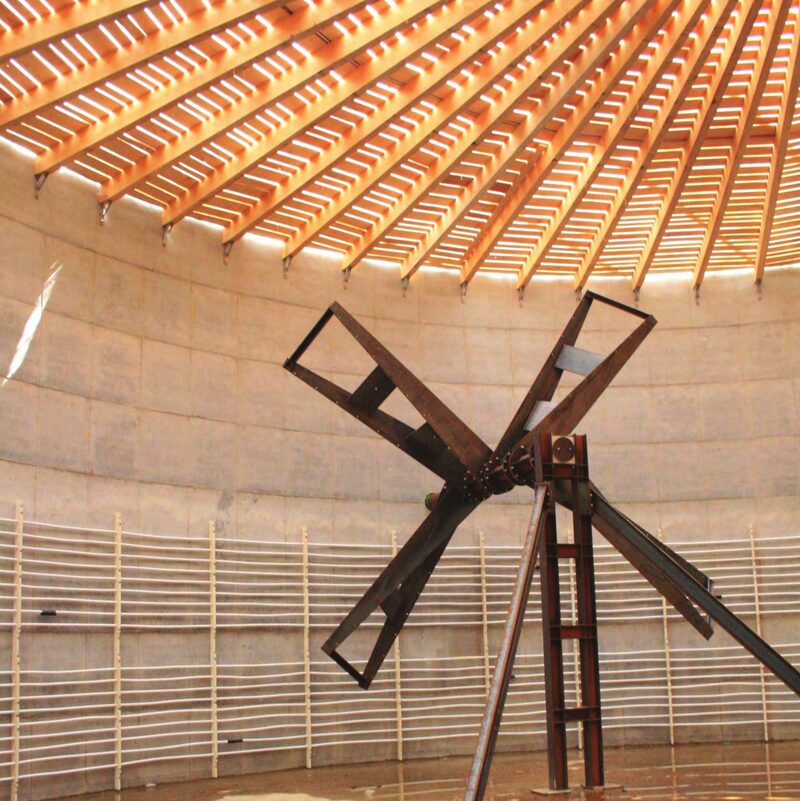
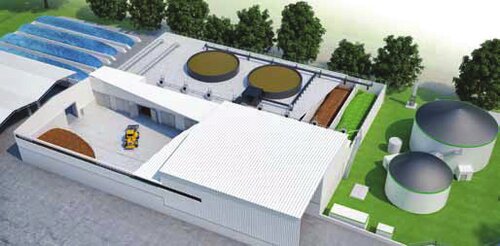
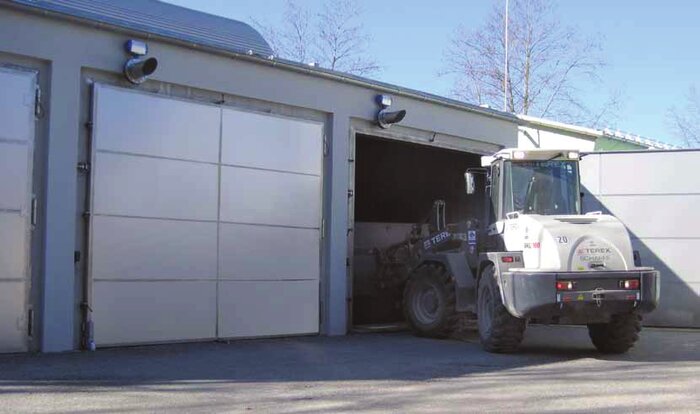
Dry Fermentation Method: Oxygen-free (anaerobic) enclosed garage-type chambers are used. During the process, the floor and wall heating system of the digestion chamber ensures the optimal operating temperature of approximately 40 °C for bacterial activity.
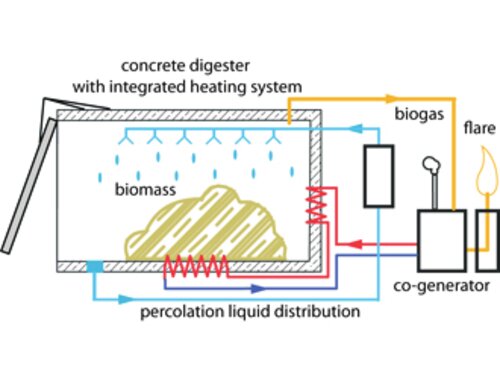
Key feature: The system directly uses fermented waste leachate (percolate). Percolate recirculation, wall/floor heating and sealed operation ensure stable and efficient biogas production.
The composition of biogas consists primarily of methane (CH₄), carbon dioxide (CO₂), small amounts of hydrogen sulphide (H₂S), nitrogen (N₂), oxygen (O₂) and possibly trace amounts of other components such as volatile organic compounds (VOCs).
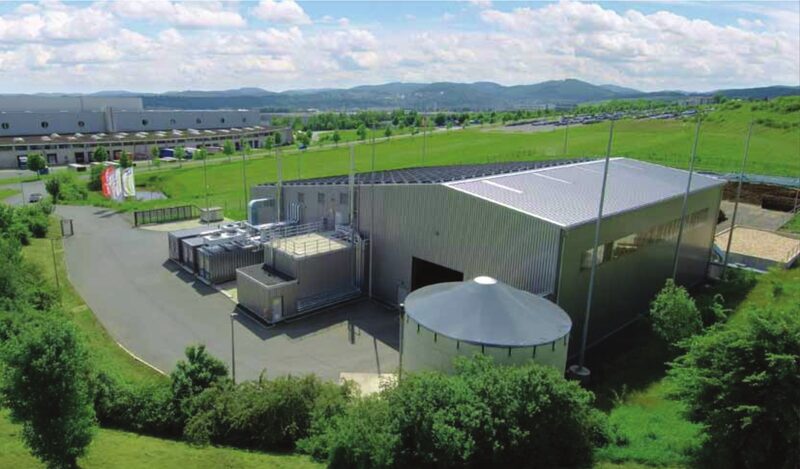
To utilise biogas, unusable and harmful substances must first be removed. Removing carbon dioxide increases the calorific value; water and hydrogen sulphide are removed to prevent freezing and corrosion. Highly selective membranes that separate carbon from methane are used to optimise biogas.
Methane passes through more slowly than carbon dioxide, making separation possible. The CO₂-rich stream exits the system at near-pure quality (typically > 98 %). Optionally, this CO₂ stream can be liquefied and sold as liquid CO₂.
Optional features:
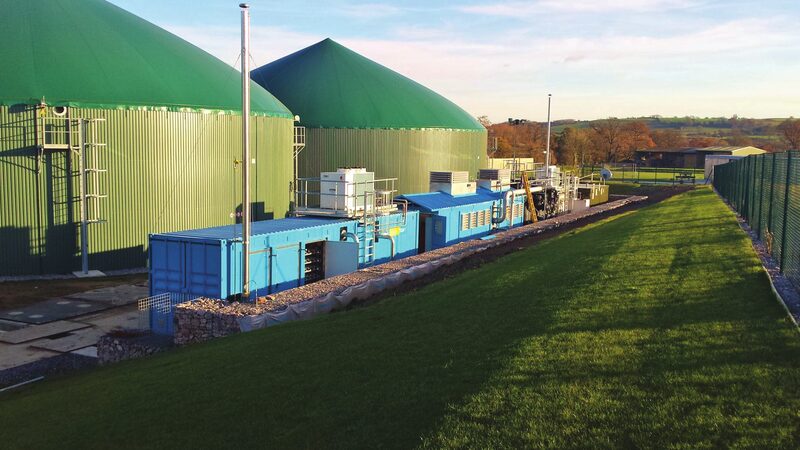
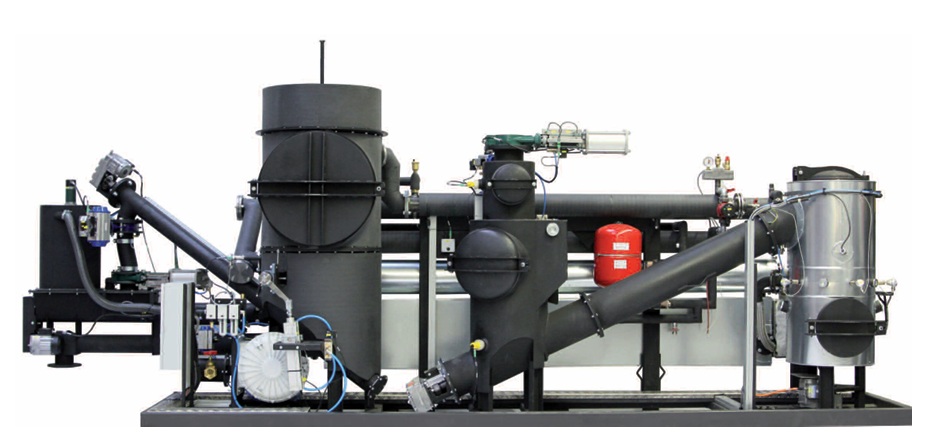
Converting wood chips into clean energy with a biomass power plant. The Biomass CHP Spanner consists of a wood gasifier and a Spanner Cogeneration unit (CHP). In a controlled process, it produces pure wood gas from wood chips. The cogeneration unit runs on wood gas, enabling highly efficient use of wood energy through combined heat and power generation.
| Model | HKA 30 | HKA 45 |
|---|---|---|
| Electrical power | 30 kW | 45 kW |
| Heat power | 73 kW | 108 kW |
| Wood chip consumption* | 30 kg/h | 45 kg/h |
| Annual consumption (7,000 h)* | 180 t ATRO** | 270 t ATRO** |
Wood chip quality: Size G30–G40 · Max. moisture: 13 % (ideal: < 8 %) · Max. fines (< 4 mm): 30 %
Wood gasifier dimensions: 5.27 × 1.54 × 2.30 m · CHP unit: 2.60 × 0.92 × 2.20 m
* Depending on wood chip quality ** Absolutely dry
Biogas streams from organic matter fermentation processes normally contain hydrogen sulphide (H₂S). H₂S is a colourless, toxic gas with a strong rotten-egg odour. It forms flammable mixtures in air at 4.5–45.0 % by volume, and its combustion produces sulphur dioxide (SOx) emissions harmful to the environment.
H₂S is corrosive to most equipment (pipelines, compressors, storage tanks, engines, etc.) and shortens the life of CHP units. It must therefore be removed for mechanical, environmental and safety reasons.
Desulphurisation Technologies: H₂S can be removed in situ during anaerobic production in digesters, or from raw biogas before end use. In digesters, it can be removed by air injection or addition of iron salts/oxides. Physico-chemical separation processes have traditionally dominated the market; however, over the past twenty years there has been growing interest in biotechnological methods for biological degradation of H₂S.
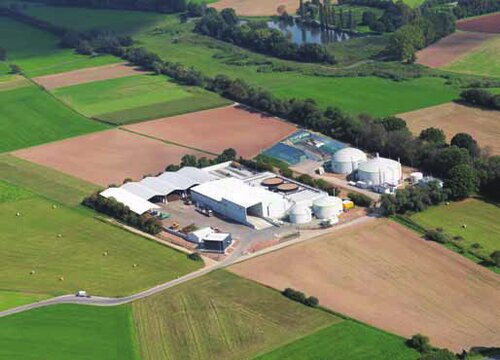
For CHP units generating both heat and electricity simultaneously, biological processes are commonly used to achieve desulphurisation.
UgnCleanPellets® is the core element of UGN® pollutant and odour filters. It effectively cleans contaminated exhaust air from industrial processes and wastewater treatment plants.
Applications: Exhaust air treatment and desulphurisation of raw biogas (biogas, landfill gas, sewage gas, pyrolysis gas, fermentation gas). Existing systems can be retrofitted to reduce operating costs.
ORC technology enables electricity generation from low-to-medium temperature thermal sources, offering an efficient and sustainable strategy.
For process diagrams, capacity planning and feasibility evaluation, contact our team.
Contact